&geometry(337x55) "EcoGroup")
How Recycled Bricks Are Shaping Home Design
How Recycled Bricks Set the Tone for 2026’s Top Home Designs
Home design in 2026 is moving away from surface-level trends and toward materials that offer meaning, performance, and longevity. Architects, builders, and homeowners are no longer asking whether a material is sustainable. They are asking how it performs, how it ages, and what impact it has long before a home is occupied.
Recycled bricks sit at the centre of this shift.
Not as a compromise or niche option, but as a material that delivers durability, thermal performance, and character while reducing carbon emissions and supporting independent-of-the-grid living and local construction.
Whether incorporated into modern house plans, contemporary extensions, or full new home design, recycled bricks are setting the tone for how homes are being built in 2026..
Design in 2026: Fewer Statements, Better Decisions
The defining homes of 2026 are not loud. They are deliberate.
Across Australia, designers and builders are prioritising:
- Honest materials with visible texture and variation
- Homes designed for longevity, not turnover
- Lower embodied carbon from the outset of construction
- Greater reliance on local trades, suppliers, and materials
- Energy-efficient homes designed to operate independent of the grid
Recycled bricks, reclaimed bricks, and second hand bricks align naturally with all of these priorities. When selected and graded properly, they don’t need justification. They simply make sense.
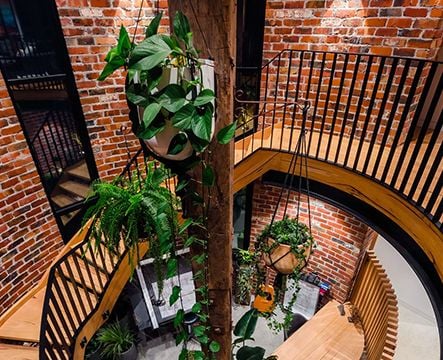
Featured: CoS Design Using EcoGroup Reclaimed Bricks.
Recycled Bricks and Embodied Carbon: Why the Choice Matters Early
One of the largest environmental impacts of a home occurs before anyone moves in.
Manufacturing new fired clay bricks requires raw material extraction, high-temperature kiln firing, significant energy input, and long-distance transport to site. That carbon cost is locked in before construction even begins.
By contrast, recycled bricks, 2nd hand bricks, and reclaimed bricks reuse materials already in circulation. This avoids most of the emissions associated with new brick manufacturing while delivering the same structural function, durability, and thermal mass.
Using recycled or second hand bricks is not about sacrificing performance. It is about removing unnecessary carbon from the supply chain while retaining proven materials.
For many homeowners searching brick recycling near me or looking to buy second hand bricks, the motivation is not only environmental. It is practical, economic, and design-driven.
Independent-of-the-Grid Living Starts With the Building Envelope
Independent-of-the-grid homes are often discussed in terms of solar panels and batteries. However, the foundation of grid independence starts with the building envelope.
Recycled and reclaimed brickwork plays a critical role here.
Brick’s inherent thermal mass helps regulate indoor temperatures by absorbing heat during the day and releasing it slowly as temperatures fall. This reduces reliance on mechanical heating and cooling, particularly when paired with:
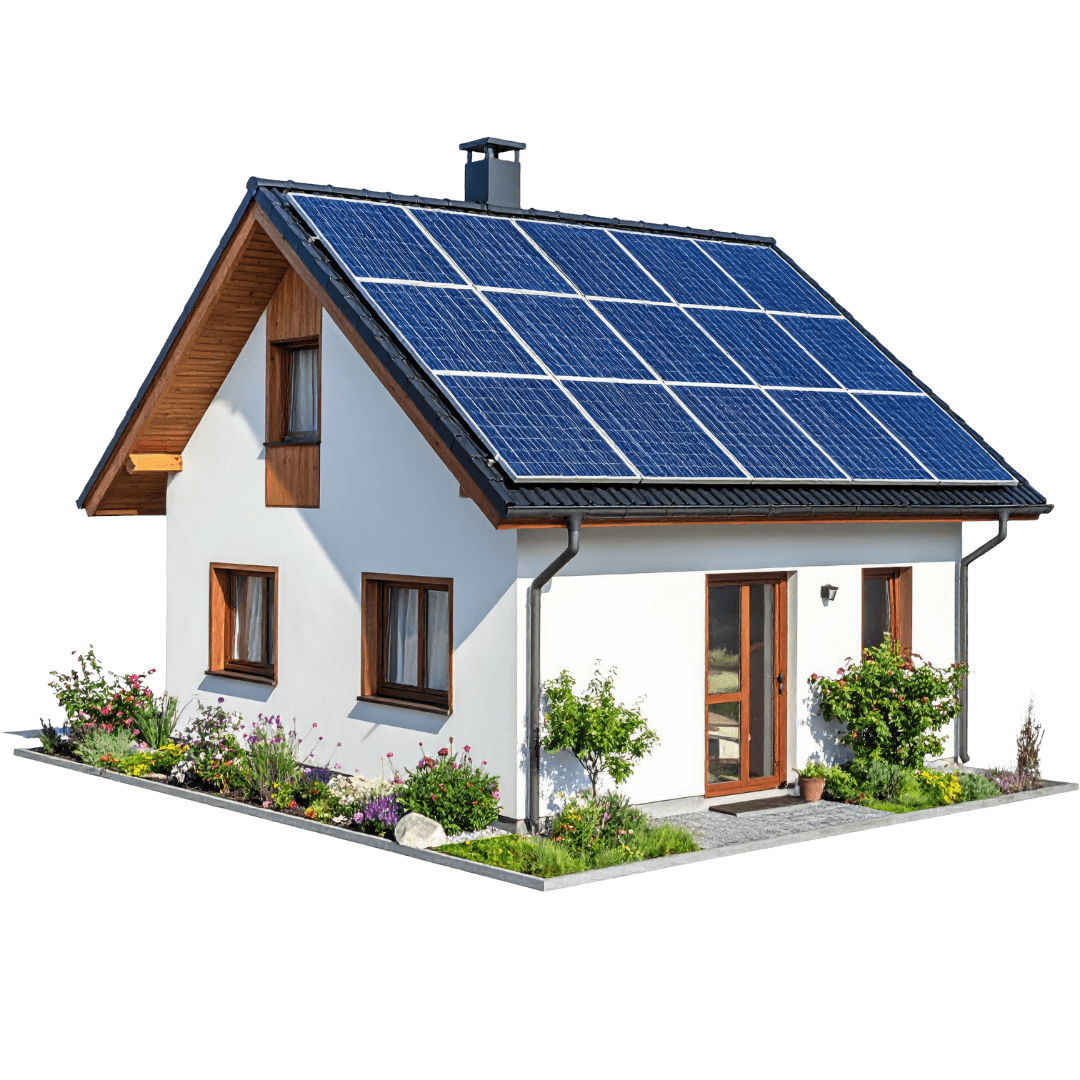
Passive solar orientation
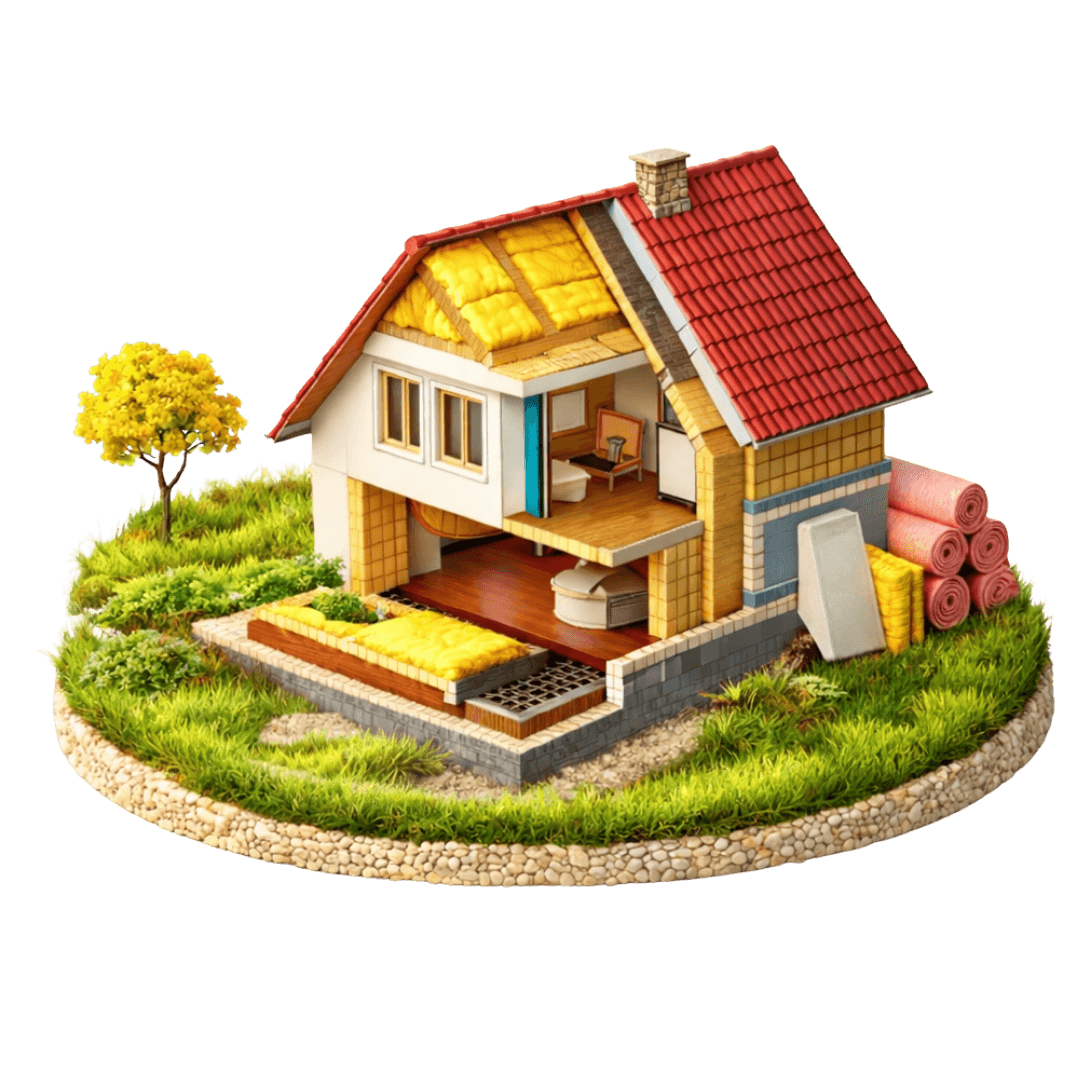
Efficient insulation
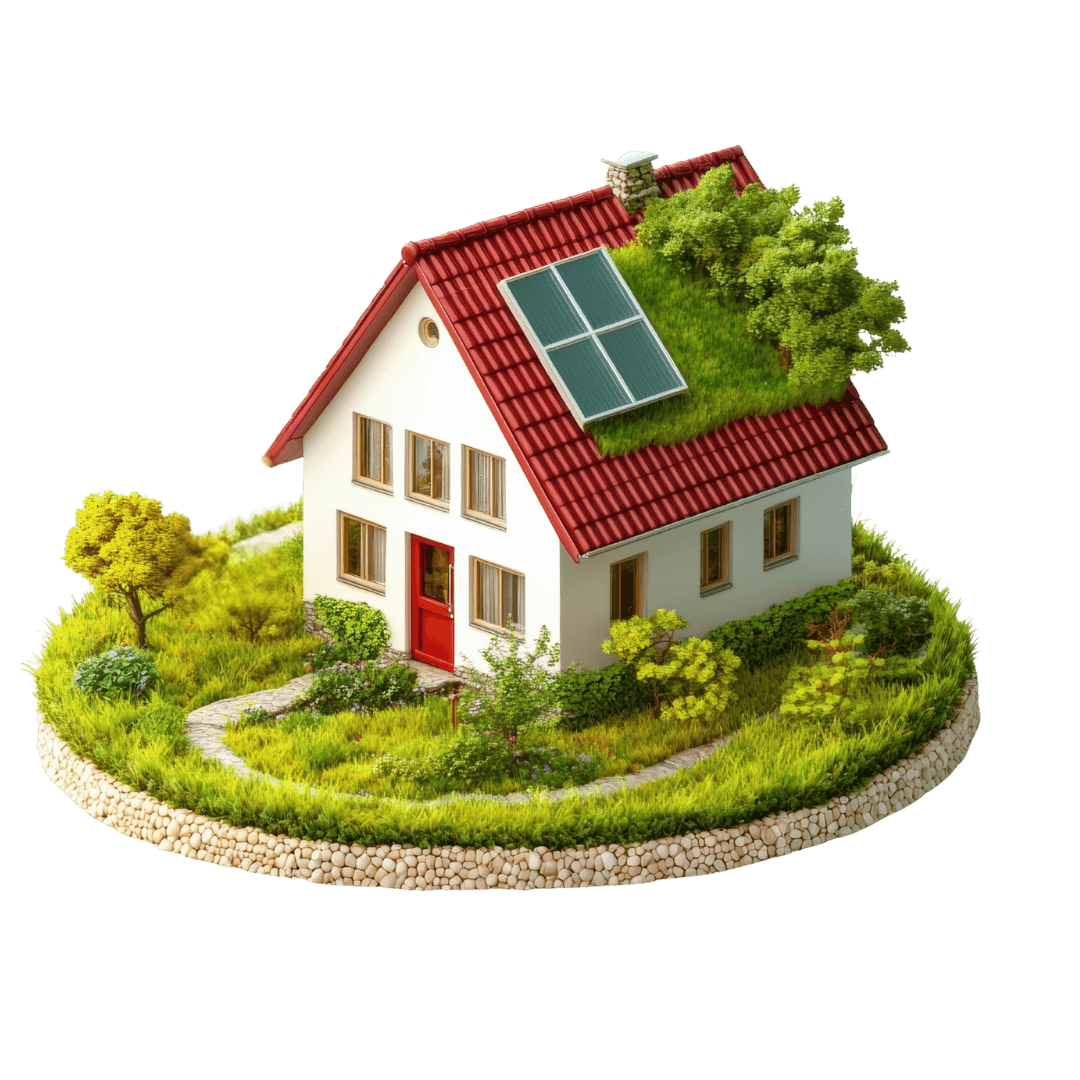
On-site solar generation
High-performance glazing
In Victoria, where grid electricity remains emissions-intensive, homes designed to operate independent of the grid can significantly reduce operational emissions over their lifetime. Recycled bricks and reclaimed brickwork contribute at both the embodied carbon stage and throughout the operational life of the home.
A recent example is the independent-of-the-grid display home delivered by G.J. Gardner Homes Warragul, where recycled bricks, solar integration, and local trades work together as a complete system rather than isolated features.
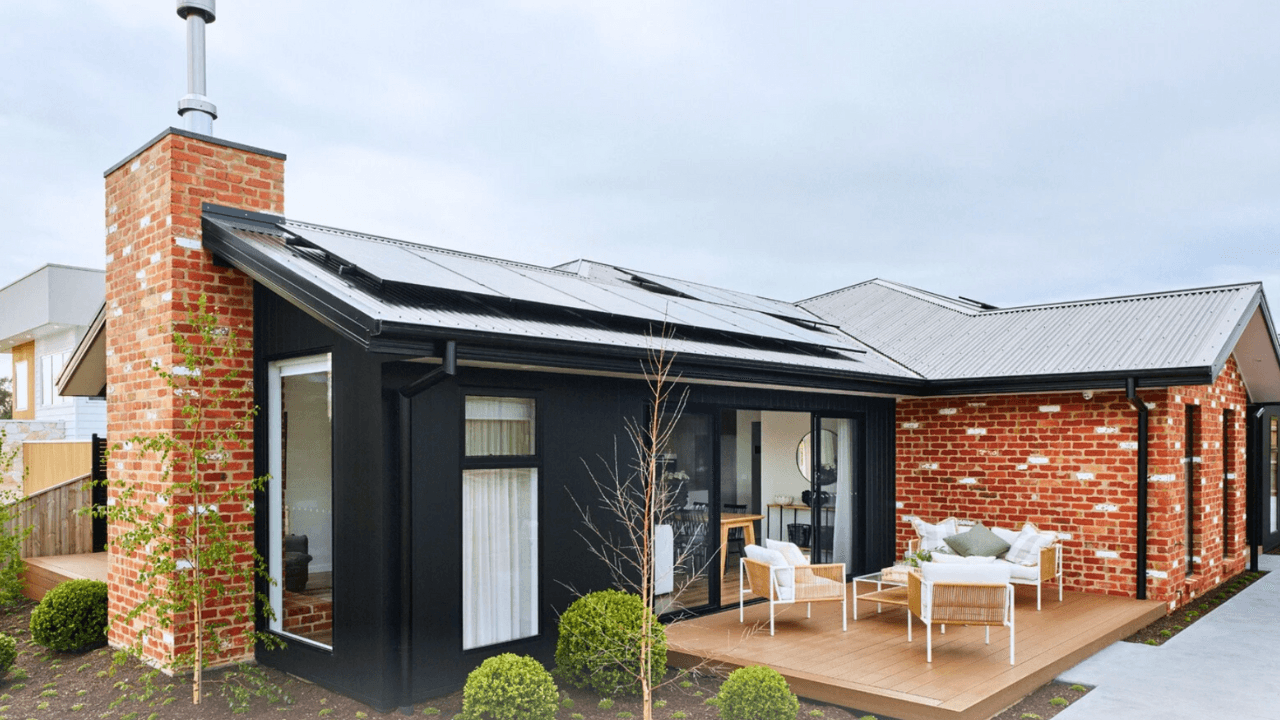
GJ Gardner Homes Warragul, Independent of The Grid
Featuring EcoGroup Rustic Red Recycled Bricks.
Local Materials, Local Trades, Real Impact
Another defining feature of 2026 home design is a renewed focus on local delivery.
Using locally sourced recycled bricks and working with local trades reduces transport distances, fuel use, supply-chain delays, and emissions associated with logistics. It also strengthens coordination on site and keeps skills, investment, and expertise within the region.
This is where recycled bricks processed locally make a measurable difference compared to imported or newly manufactured alternatives.
For homeowners, builders, and designers, choosing second hand bricks is no longer just an aesthetic decision. It is a practical way to reduce environmental impact while supporting local industry.
Home Design Aesthetic Direction: Texture, Depth, and Restraint
From a design perspective, recycled bricks are shaping the look and feel of 2026 homes in very specific ways.
Rather than uniformity, designers are leaning into
- Subtle colour variation
- Natural texture
- Depth created through age and firing history
- Materials that improve visually over time
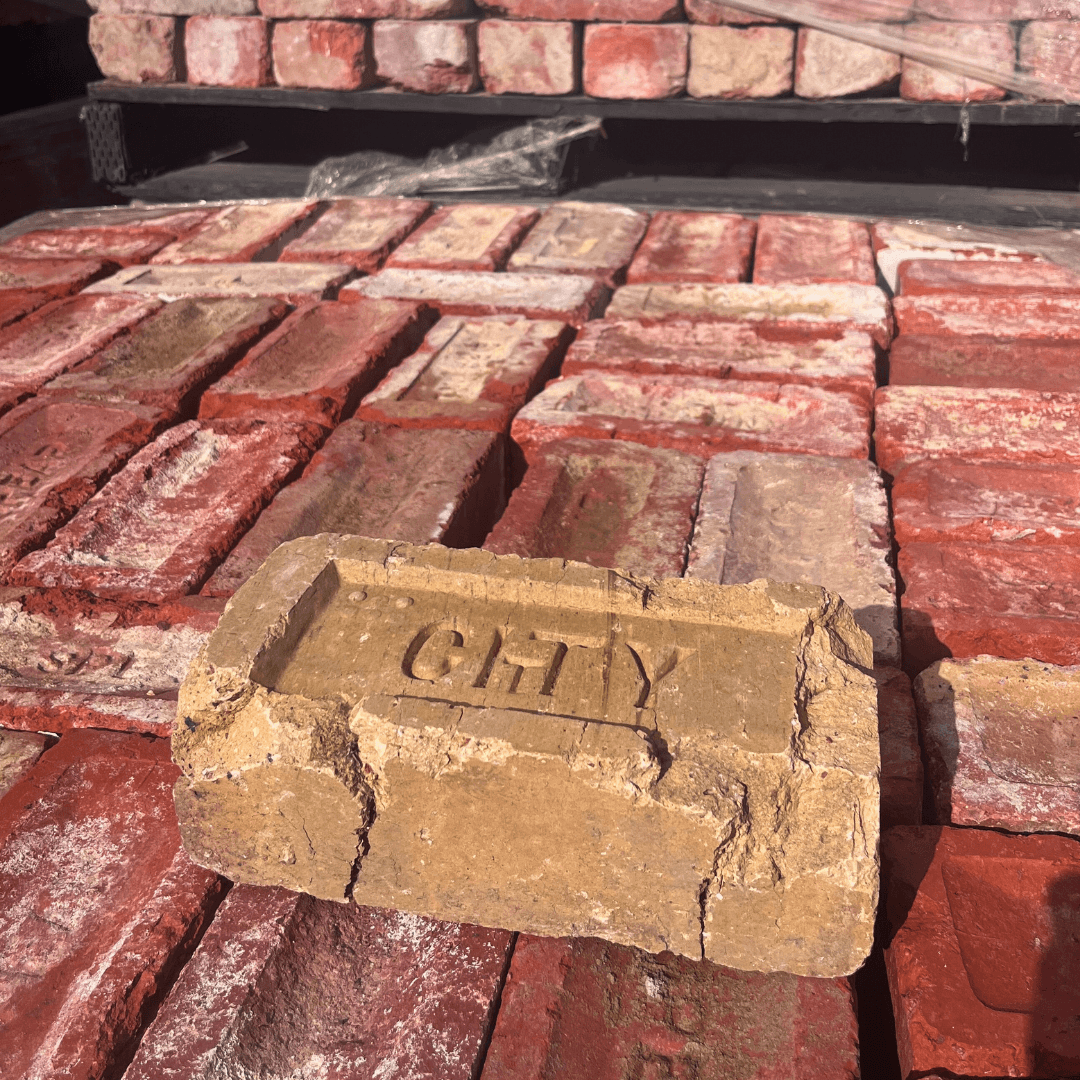
EcoGroup Coach House Grey Recycled Bricks
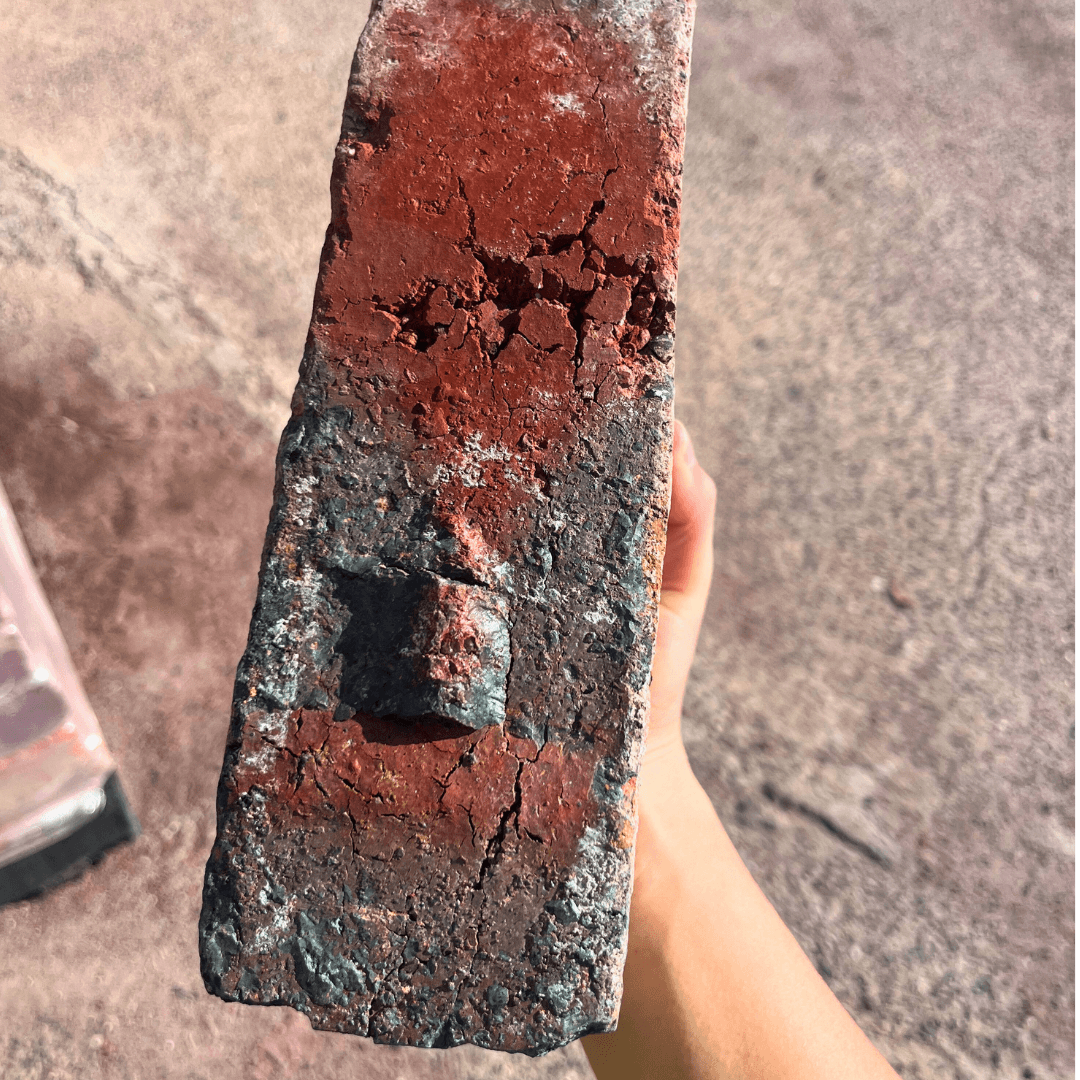
EcoGroup Red Blue Recycled Clinkers
This is evident across EcoGroup’s recycled brick ranges, including:
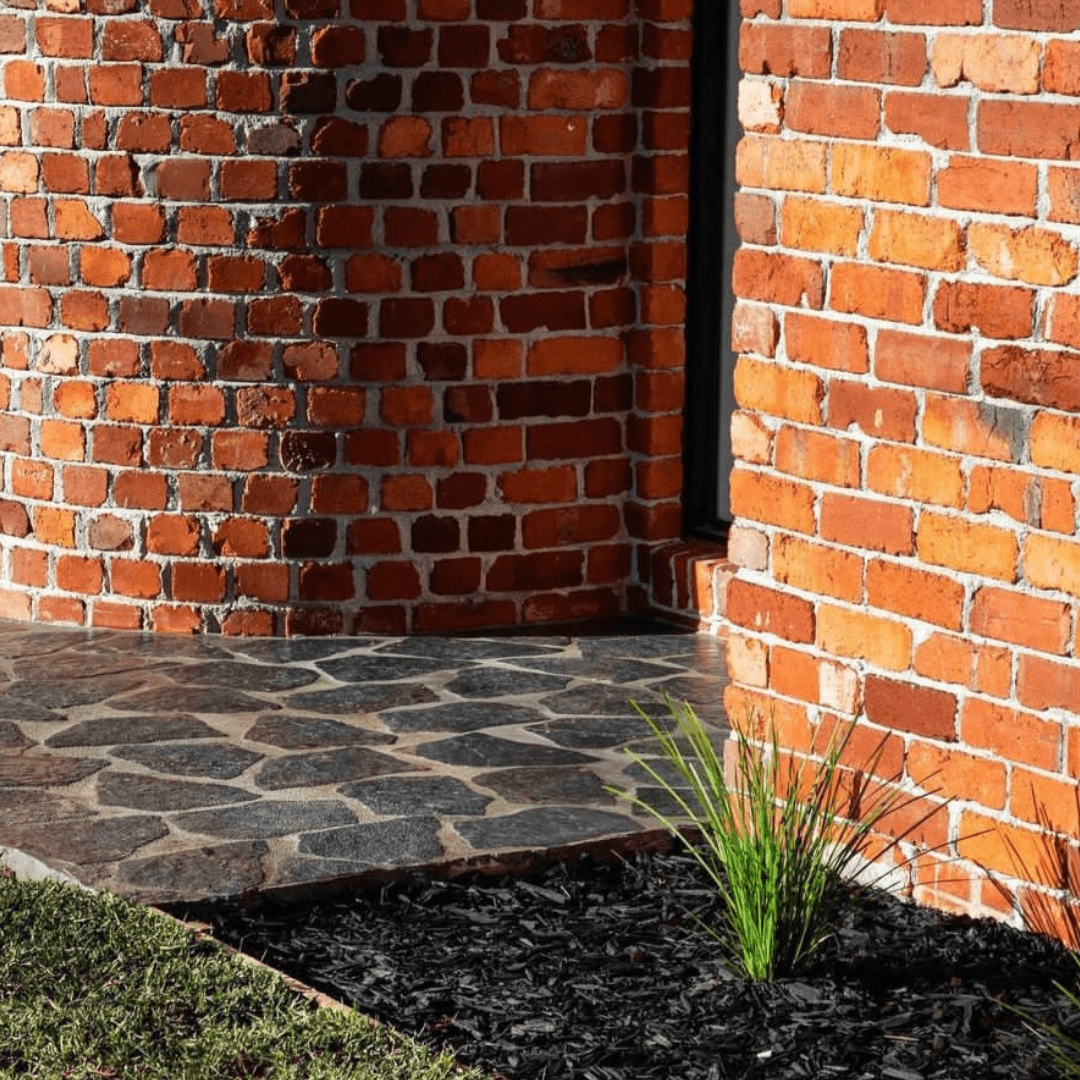
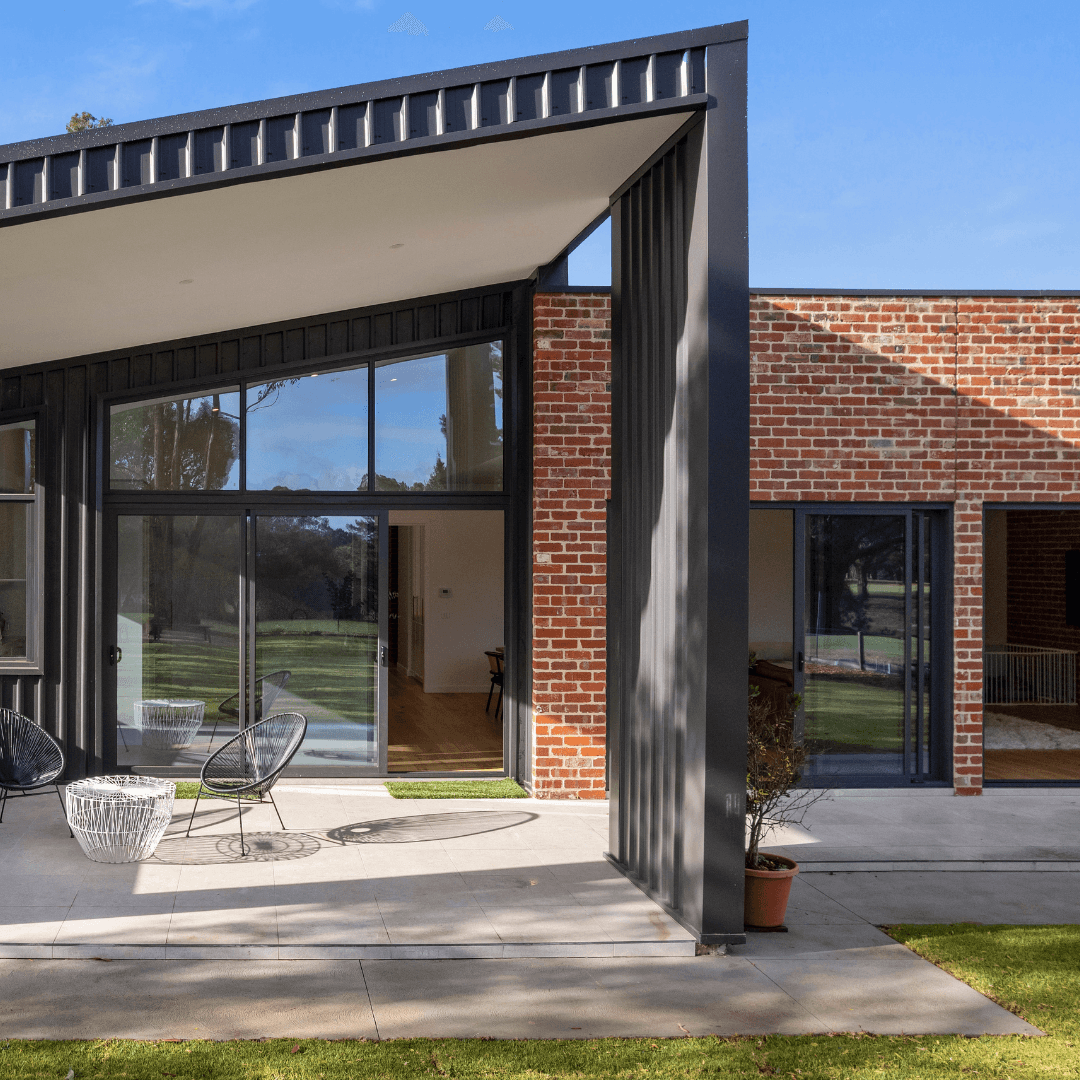
Rustic Reds, offering warmth and softness for contemporary and regional homes
Photo Credit: BalRock Property Group
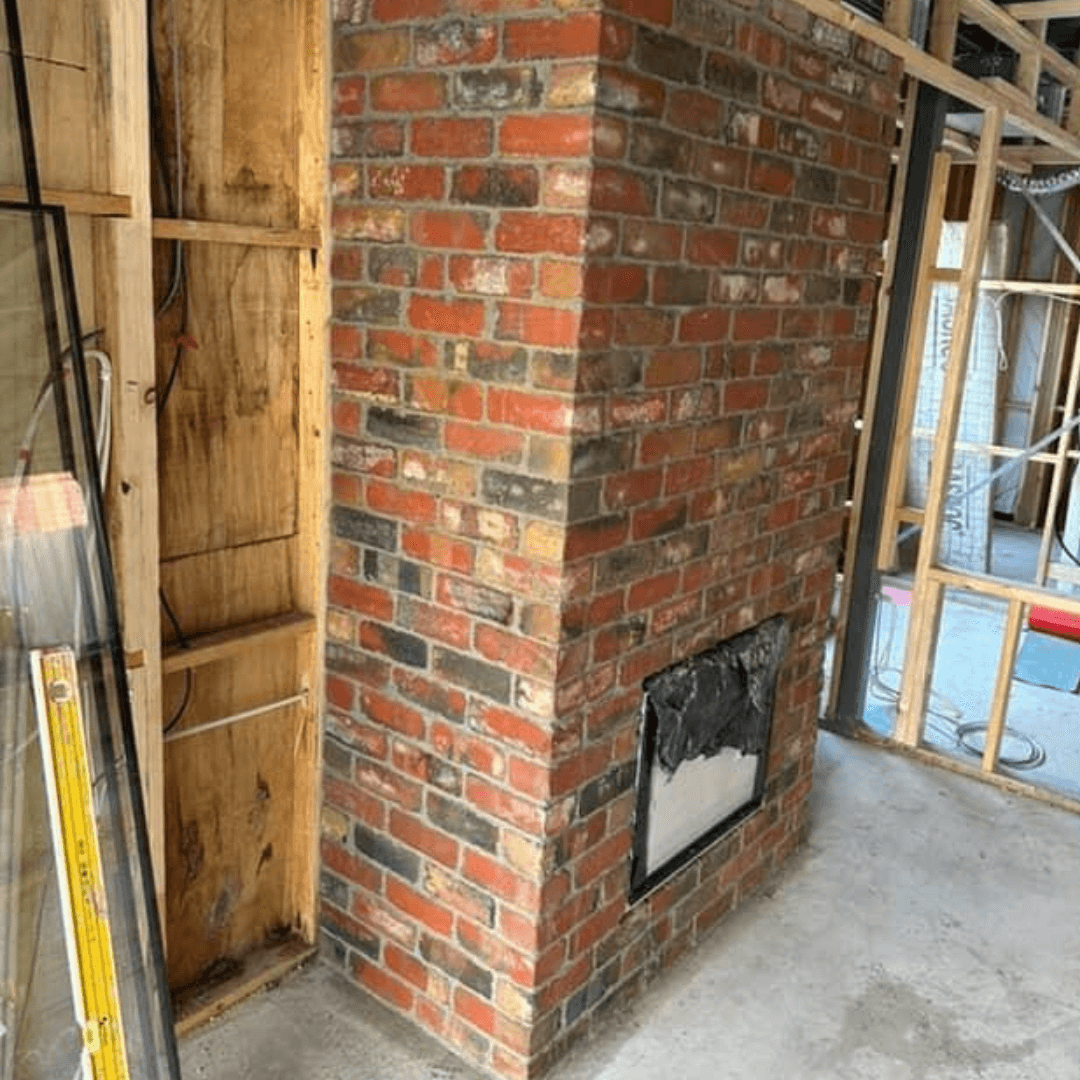
Red and Blue Clinkers, providing density, texture, and architectural weight
Photo Credit: Built Tough Brickwork
Face Reds and recycled pavers, supporting both structural and landscape applications
Photo Credit: Rosella Homes
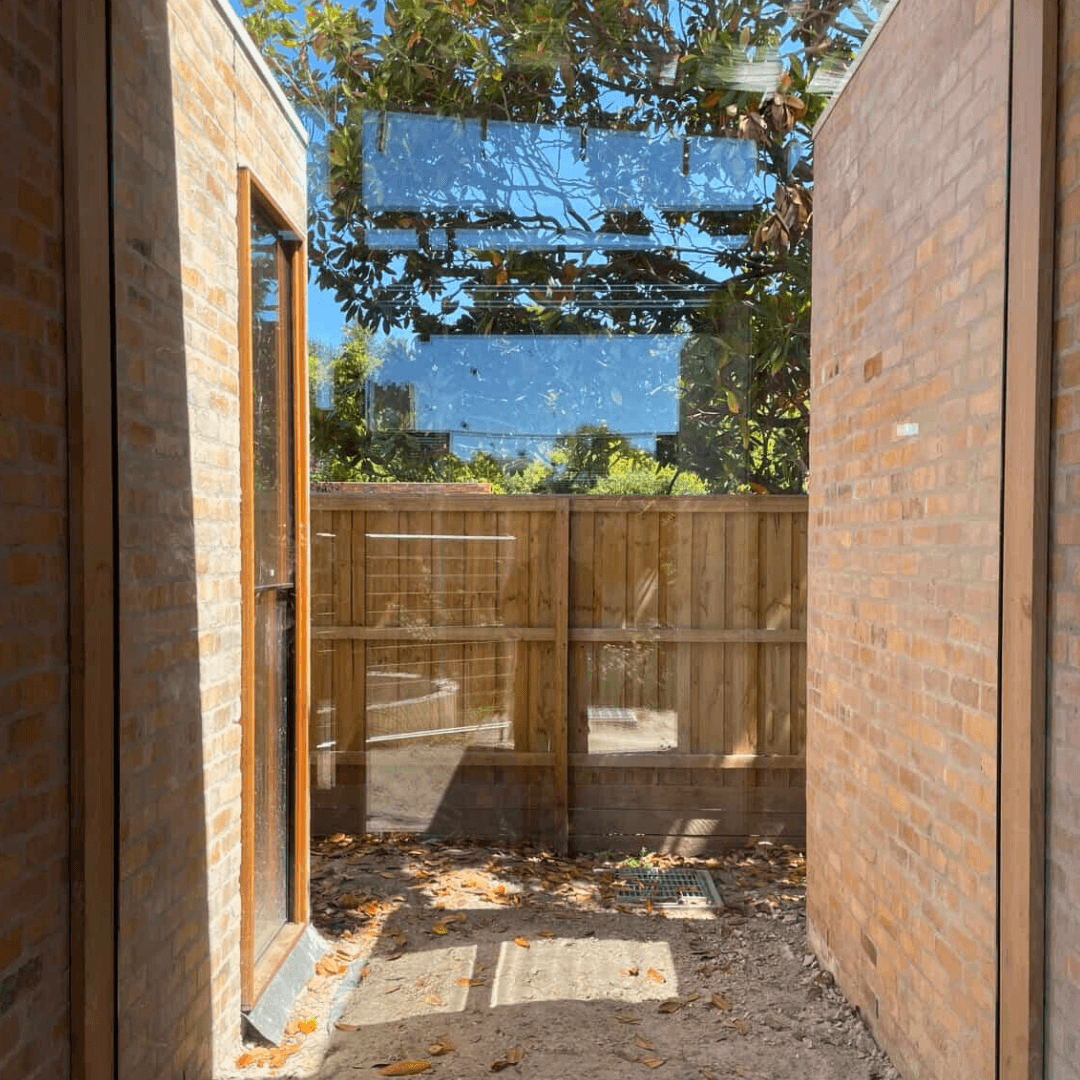
Cream Face Bricks, suited to lighter palettes and refined extensions
Photo Credit: Technique Construction Group
Each range offers a different expression, but all share the same advantage. They look better because they have already lived a life.
Building Compliance, Performance, and Peace of Mind
Sustainability only matters if materials perform properly on site.
EcoGroup recycled bricks are compliant with AS/NZS 4455.1, as recognised by Think Brick Australia. This standard requires manufacturers and suppliers to declare:

Dimensions

Compressive strength

Integrity

Durability
EcoGroup Recycled Bricks Compliance
These declarations ensure compatibility with:
- AS 3700 (Masonry Structures)
- AS 4773 (Masonry in Small Buildings)
EcoGroup recycled bricks are assessed through testing and historical performance, allowing exposure grading to be assigned based on proven durability in comparable environments.
Compliance gives builders and designers confidence to specify recycled bricks without compromise.
Circular Construction: More Than a Design Choice
Recycled bricks support a circular approach to construction, where materials are:
- Reused where possible
- Repurposed where necessary
- Kept in circulation rather than discarded
EcoGroup has operated in brick recycling since 1991 and now runs one of Australia’s largest brick recycling facilities at its Clayton Resource Recovery Centre. Bricks that cannot be reused are crushed and repurposed into products such as crushed brick and landscaping materials, ensuring nothing goes to landfill unnecessarily.
This approach aligns directly with the values shaping residential construction in 2026: responsibility, durability, and long-term thinking.
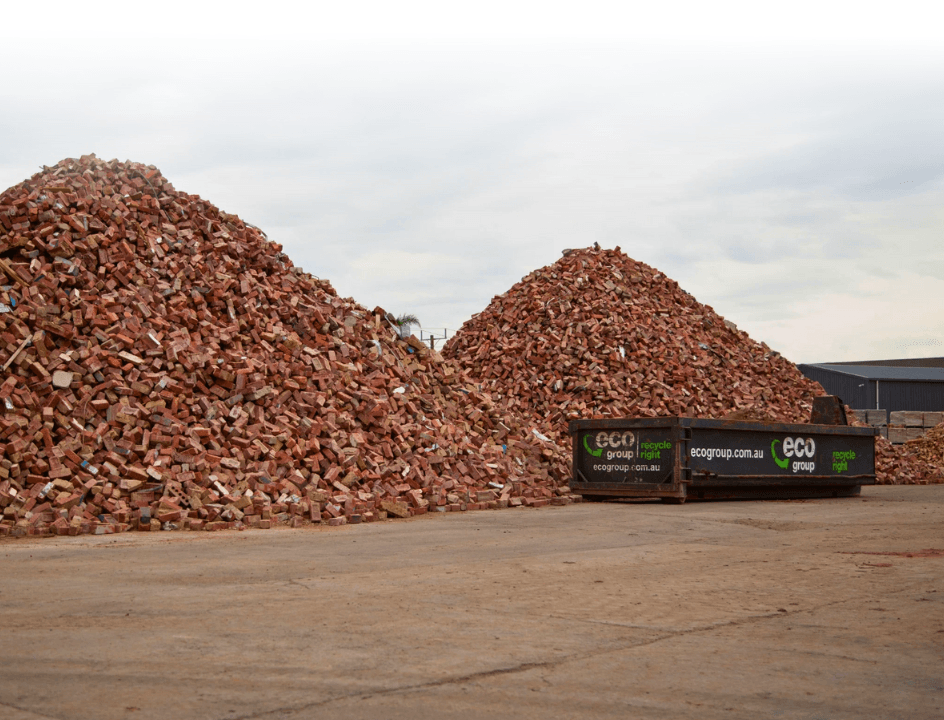
Why Recycled Bricks Will Define 2026 Homes
Recycled bricks are not a trend. They are a response.
A response to, rising embodied carbon awareness, demand for independent-of-the-grid homes, supply-chain pressures, srowing interest in reclaimed brickwork and second hand materials and a shift toward building less, but building better
In 2026, the most successful home designs will not be the ones that shout sustainability. They will be the ones where every decision quietly supports it.
EcoGroup Recycled bricks do exactly that.
Frequently Asked Questions About Recycled Bricks in Modern Home Design
Are recycled bricks suitable for structural building applications?
Yes. Recycled bricks supplied by EcoGroup comply with AS/NZS 4455.1, which governs masonry unit performance. EcoGroup declares a characteristic unconfined compressive strength greater than 3 MPa, meeting the requirements for use with AS 3700 and AS 4773 in residential construction.
Do recycled bricks reduce CO? emissions compared to new bricks?
They do. New fired clay bricks require energy-intensive kiln firing, which contributes significantly to embodied carbon before materials even reach site. Recycled bricks avoid most of those manufacturing emissions by keeping existing materials in circulation, resulting in a substantially lower carbon footprint at the start of a build.
Are recycled bricks durable enough for external walls?
Yes. Brick durability is assessed under AS 4455.1 based on resistance to salt attack and moisture. Recycled bricks can be classified as Exposure Grade (high durability) or Protected Grade, depending on application and prior performance history. Many recycled bricks have already proven durability through decades of real-world exposure.
How do recycled bricks support independent-of-the-grid homes?
Recycled bricks retain the same thermal mass as new bricks, helping regulate internal temperatures by absorbing and releasing heat naturally. This reduces reliance on artificial heating and cooling, especially when combined with solar generation, passive design, and efficient insulation in independent-of-the-grid homes.
Are recycled bricks consistent in size and appearance?
Recycled bricks are graded and sorted before reuse. While natural variation in colour and texture is part of their appeal, EcoGroup supplies bricks in consistent project lots to maintain uniformity across a build. This ensures predictable laying, clean detailing, and reliable outcomes on site.
Can recycled bricks be used in coastal or high-moisture environments?
Yes, where classified as Exposure Grade. Durability assessments may be supported by salt resistance testing under AS 4456.10 or by demonstrated historical performance in similar environments. This allows recycled bricks to be confidently specified in coastal and exposed conditions when appropriate.
What happens to bricks that don’t meet reuse standards?
Bricks that don’t meet grading requirements for reuse are not wasted. They are crushed and repurposed into products such as crushed brick, court toppings, and landscaping materials. This ensures all material remains within the construction cycle and avoids landfill wherever possible.
Do recycled bricks limit design options?
Not at all. Recycled bricks are increasingly being specified in contemporary, architectural, and custom homes. Ranges such as Rustic Reds, Cream Face Bricks, Red and Blue Clinkers, Face Reds, and recycled pavers allow designers to achieve a wide variety of finishes while supporting sustainable construction.
Are recycled bricks recognised by industry bodies?
Yes. Think Brick Australia recognises EcoGroup recycled bricks as compliant with AS 4455.1, supporting their use in regulated residential and commercial masonry construction.
Why are recycled bricks becoming more popular in 2026 home designs?
Because they solve multiple problems at once. Recycled bricks reduce embodied carbon, support circular construction, deliver proven durability, and align with independent-of-the-grid living and local supply chains. In 2026, builders and designers are choosing materials that perform environmentally, structurally, and aesthetically without compromise.
| Tags:Sustainable Demolition, Recycled RightBuildingBricksRecyclingrecycled bricks |